01
Building energy & retrofit planning
Simulation and decision-support workflows for assessing building upgrades, energy performance, thermal comfort and lifecycle indicators.
From laboratory measurements of heat-storing materials to building models and neighbourhood-scale decision support.
Connecting building information, semantic context and time-series intelligence.
Simulation and decision-support workflows for assessing building upgrades, energy performance, thermal comfort and lifecycle indicators.
Knowledge graphs and ontologies that connect building information with time-series analytics, anomaly detection and uncertainty-aware prediction.
Phase-change materials in cement and gypsum systems, linking thermophysical characterisation and accelerated weather ageing to whole-building performance.
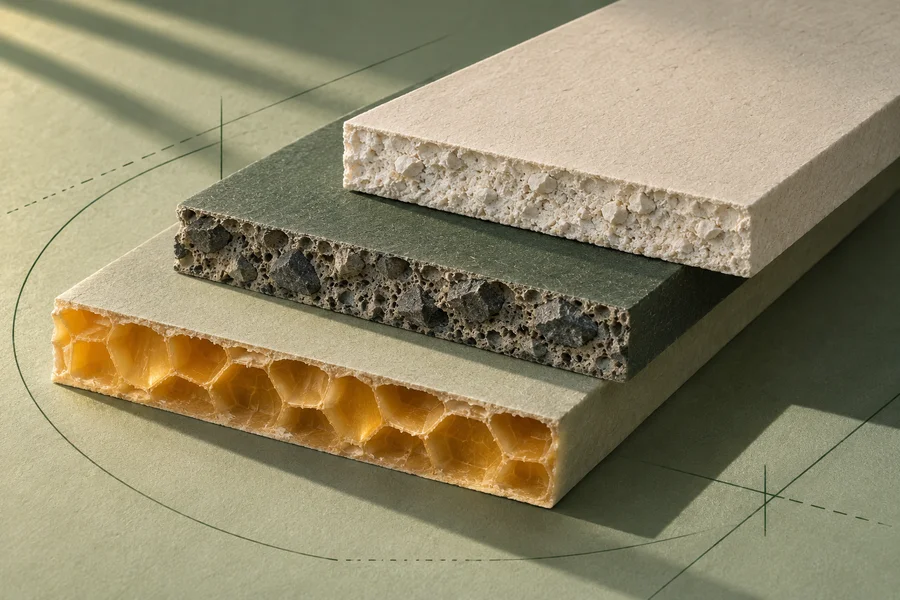
Connecting laboratory measurements of phase-change materials with whole-building energy simulation.
Explore the research
Making building information easier to connect, query and reuse in renovation planning.
Explore the research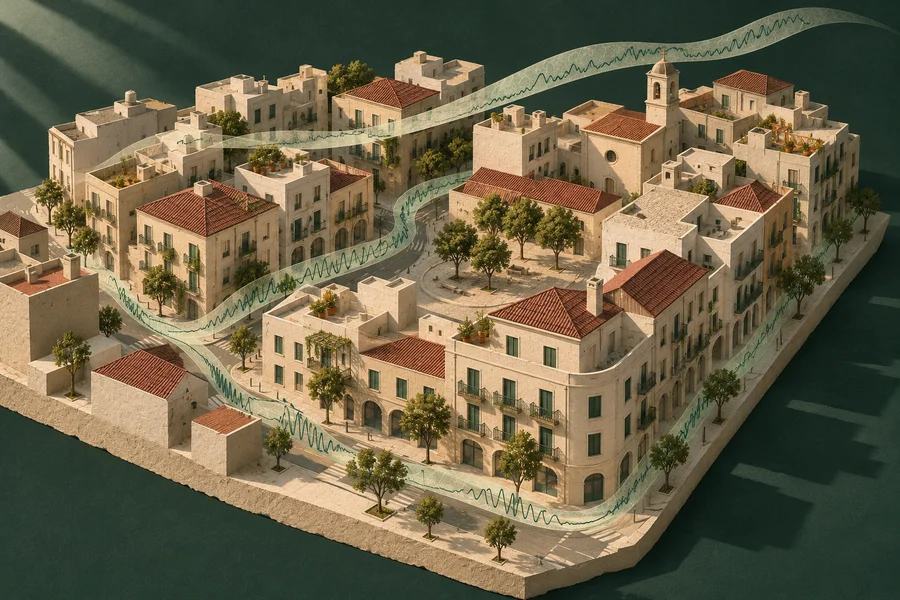
Bringing semantic building context and operational time-series analytics into the same workflow.
Explore the research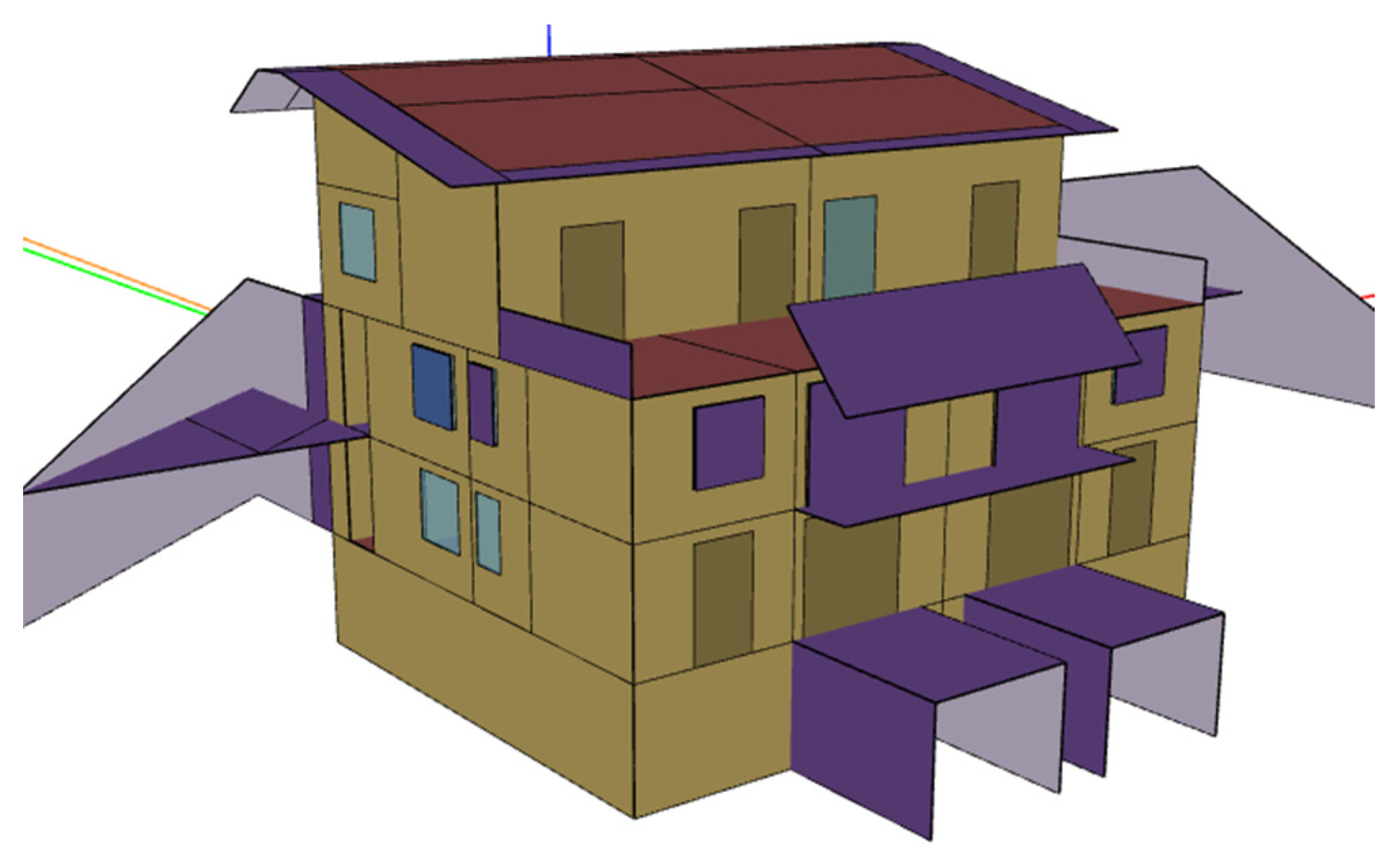
The Leaf House case-study model used to assess PCM integration in building envelopes.
Read the paperLygerakis et al., Fig. 5, CC BY 4.0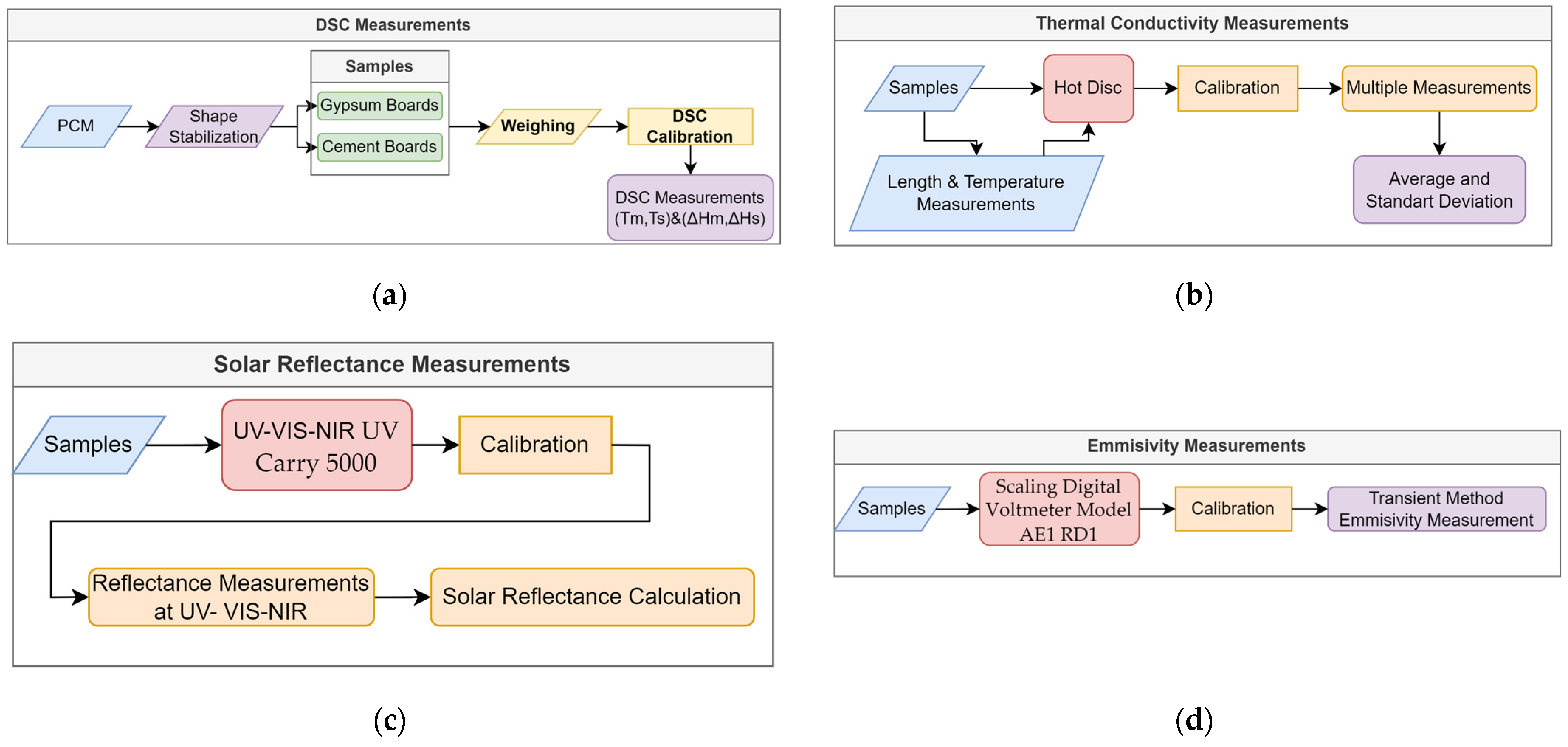
Thermal and optical measurements connect material formulations with the inputs used in energy models.
Read the paperLygerakis et al., Fig. 3, CC BY 4.0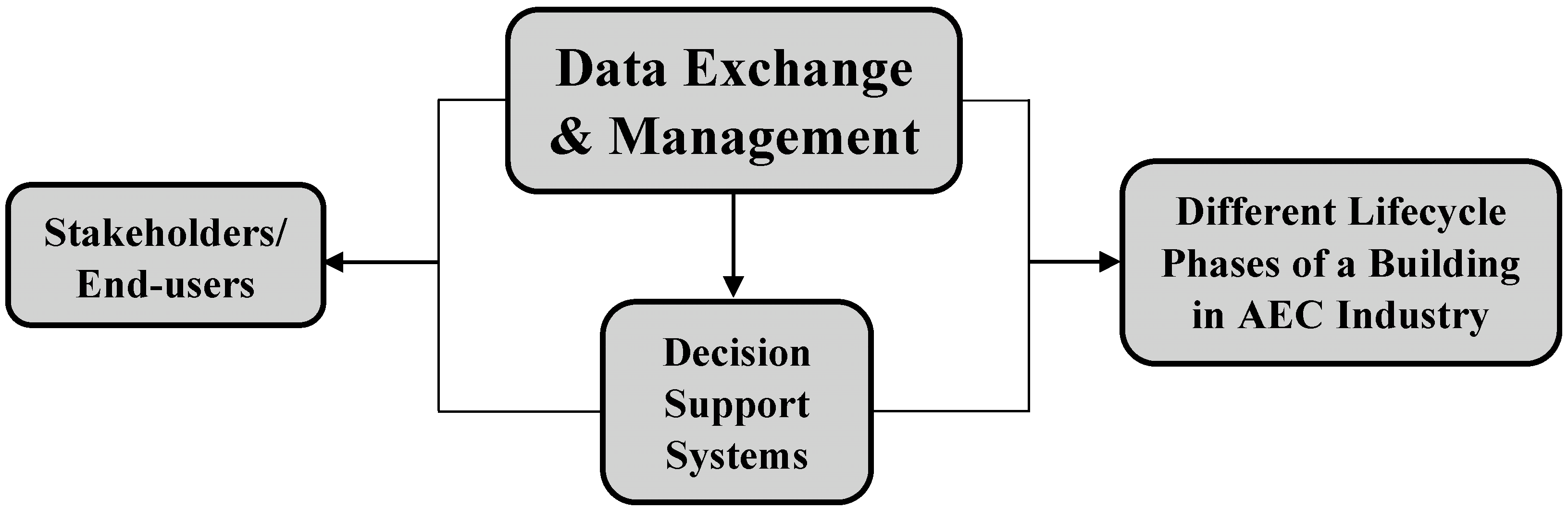
A research foundation for bringing building data, stakeholders and decisions into connected workflows.
Read the reviewLygerakis, Kampelis & Kolokotsa, Fig. 3, CC BY 4.0An open ontology for Neighborhood Construction, Renovation & Energy Management. It connects buildings, renovation workflows, energy systems, environmental monitoring and performance indicators within neighbourhood digital twins.
Knowledge graph (KG) centric decision support for green building neighborhood renovation scenario modeling. Co-invented with Nikolaos Kampelis and Dionysia Kolokotsa; Technical University of Crete.